


Cultural Centre at Sultan Haitham City
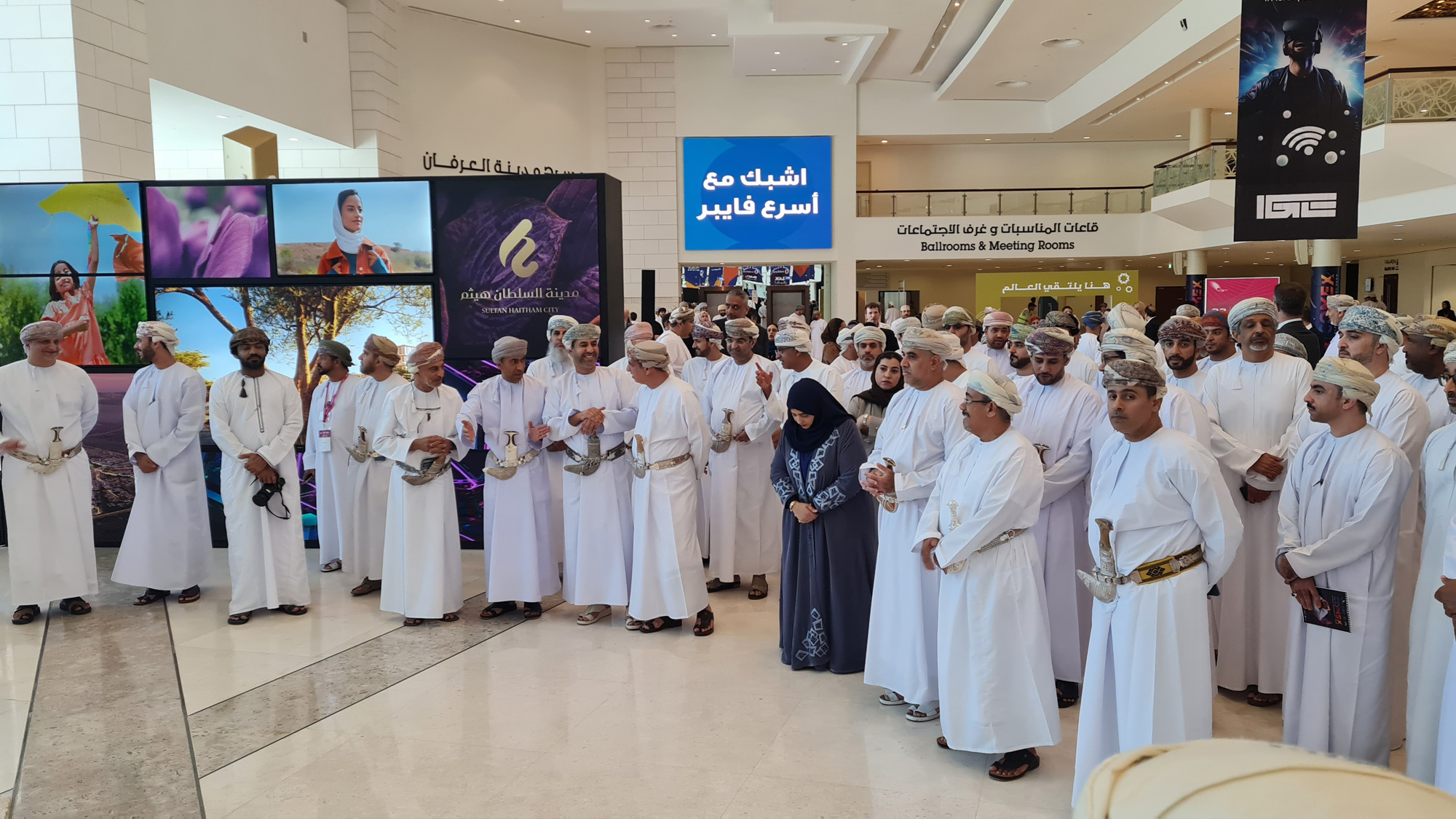
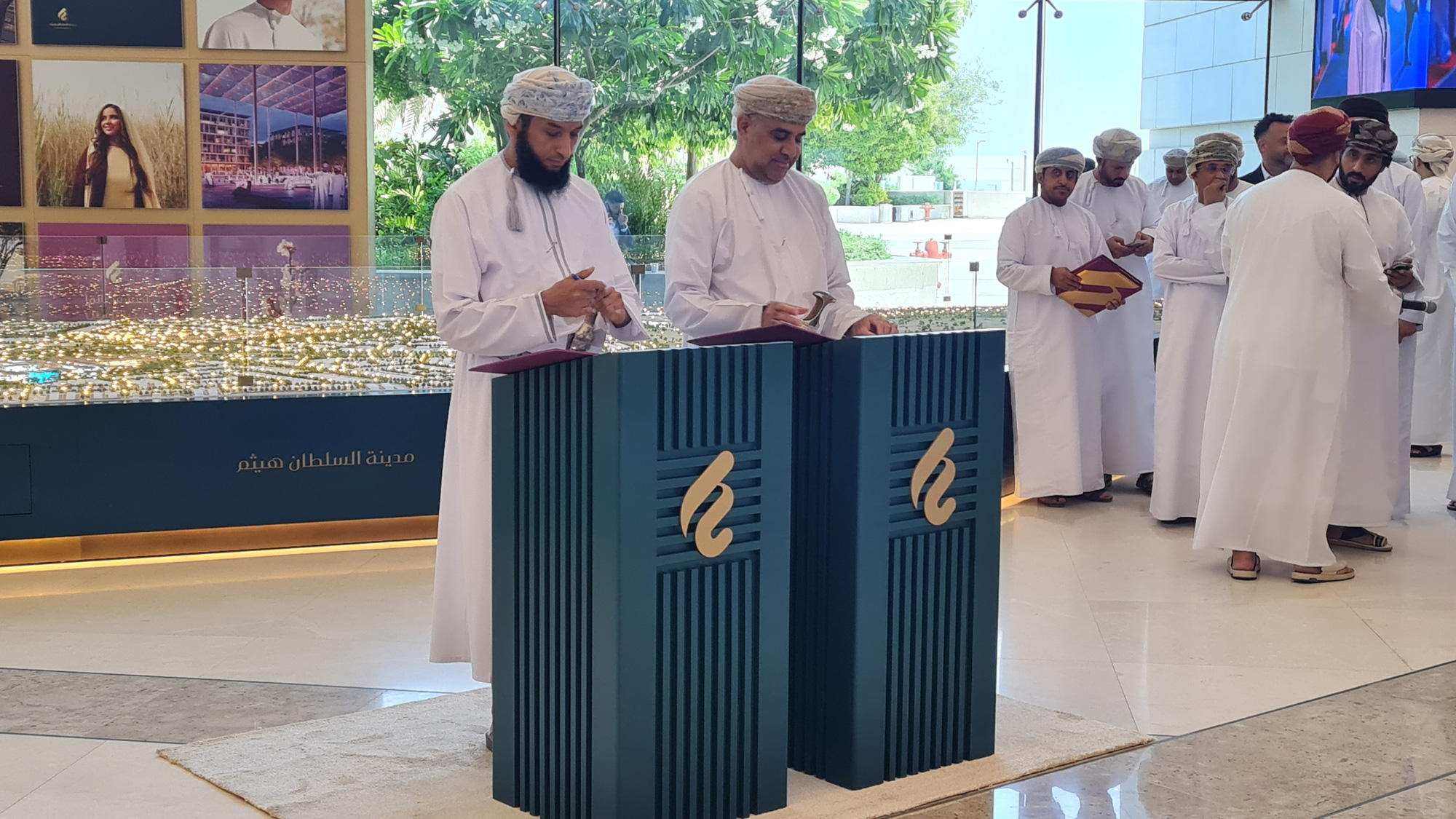
Razeen and Ministry of Housing and Urban Planning signed an agreement to develop new cultural centre for the initial phase of Sultan Haitham City at the Oman Convention and Exhibition Centre. This event marks a significant milestone as part of the Ministry’s celebration of the first anniversary of Sultan Haitham City’s inauguration, held under the high patronage of His Majesty Sultan Haitham bin Tarik on May 31 at Al-Baraka Al-Amer Palace.
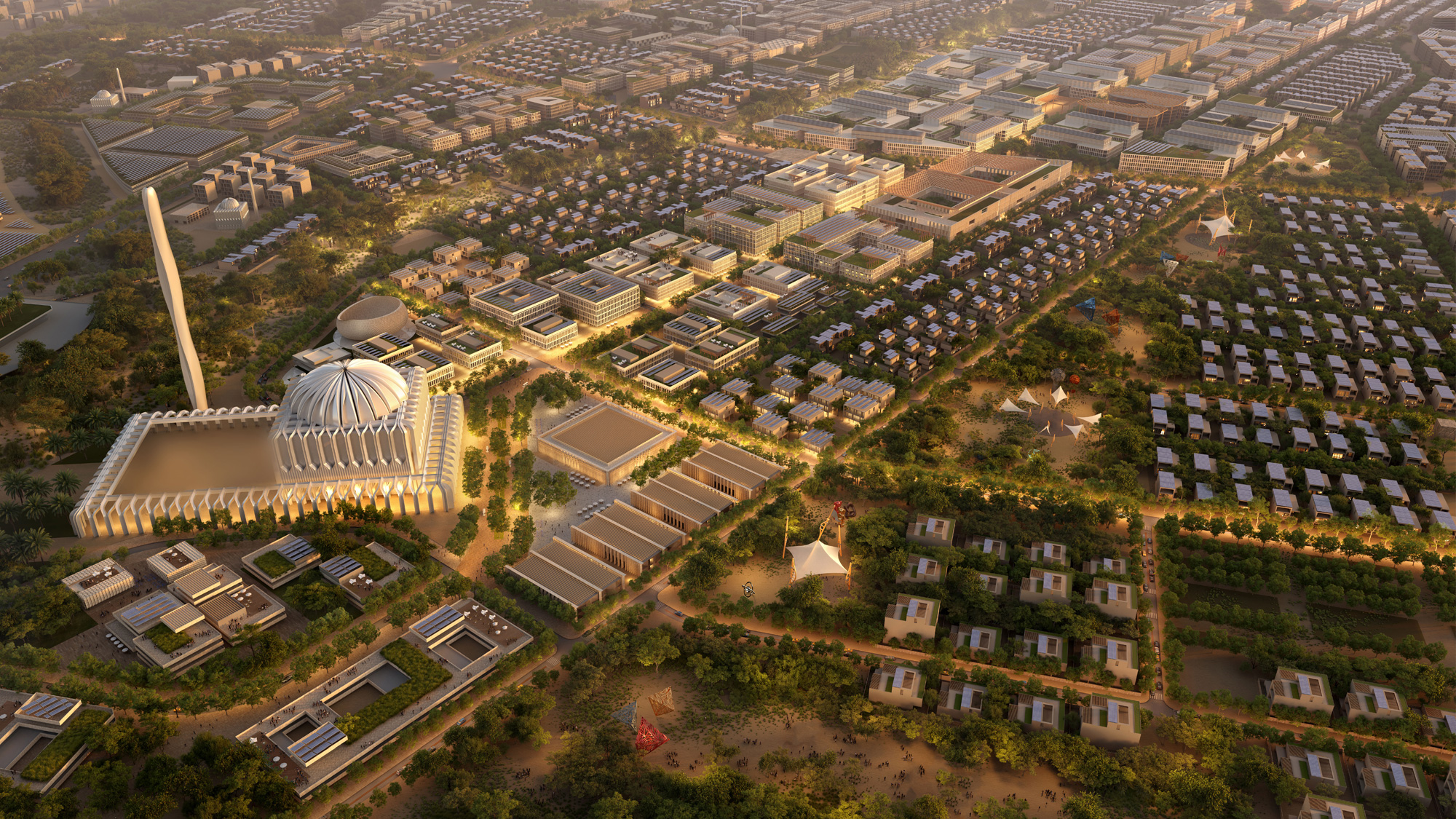
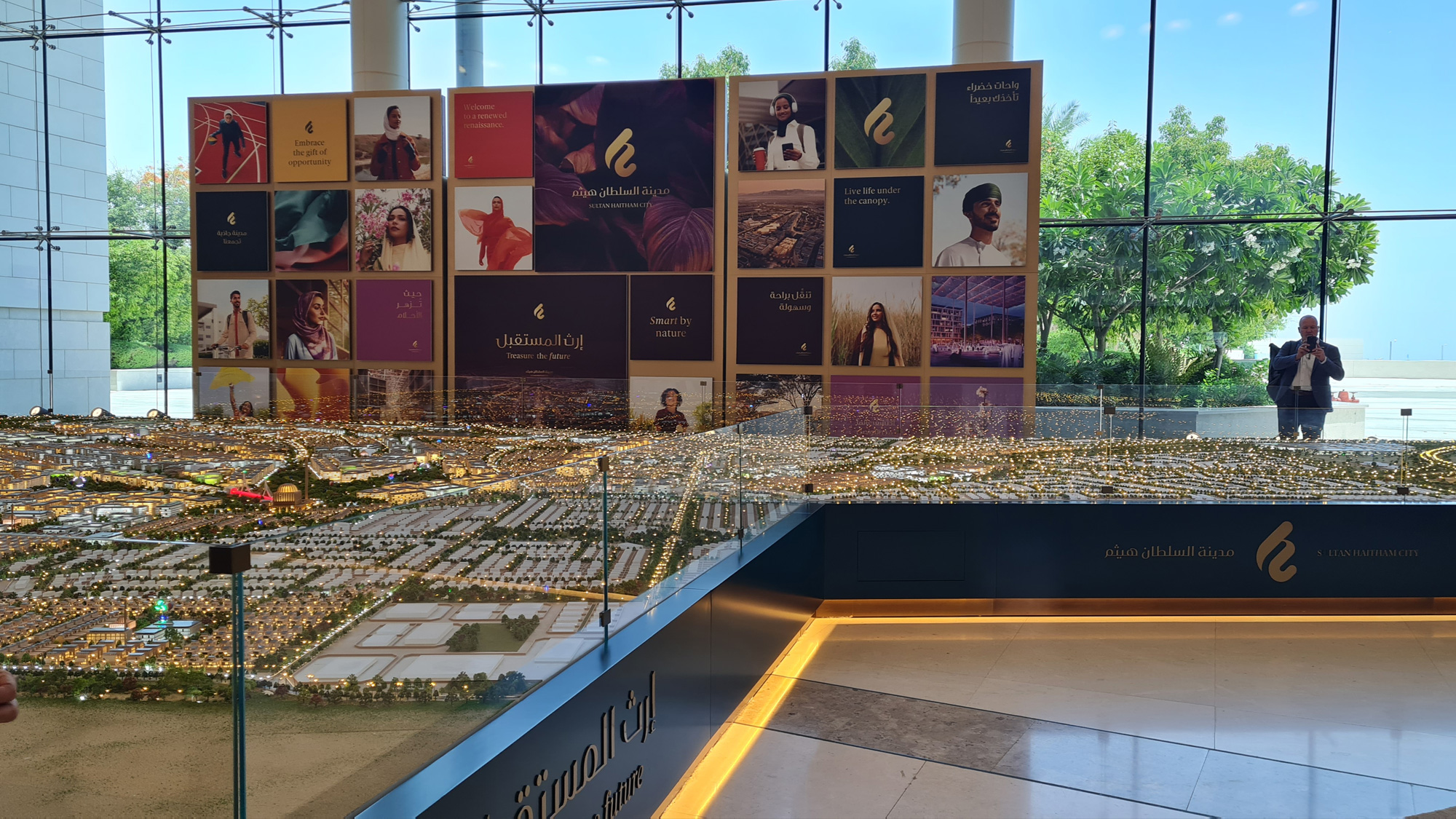
The “Sultan Haitham City” constitutes a futuristic urban icon, a treasure for the future and a sustainable gift from His Majesty Sultan Haitham bin Tarik to future generations and all segments of society.
Sultan Haitham City emerges as the fruitful outcome of the comprehensive transformation approach espoused by the Ministry of Housing and Urban Planning. It envisages transition into sustainable urban development that benefits thriving communities through the implementation of national strategic projects for urban development in line with Oman Vision 2040.
Sultan Haitham City represents the cornerstone of upcoming projects and a new model for building sustainable cities. It simulates modern life and epitomizes the aspirations of young people in Oman.
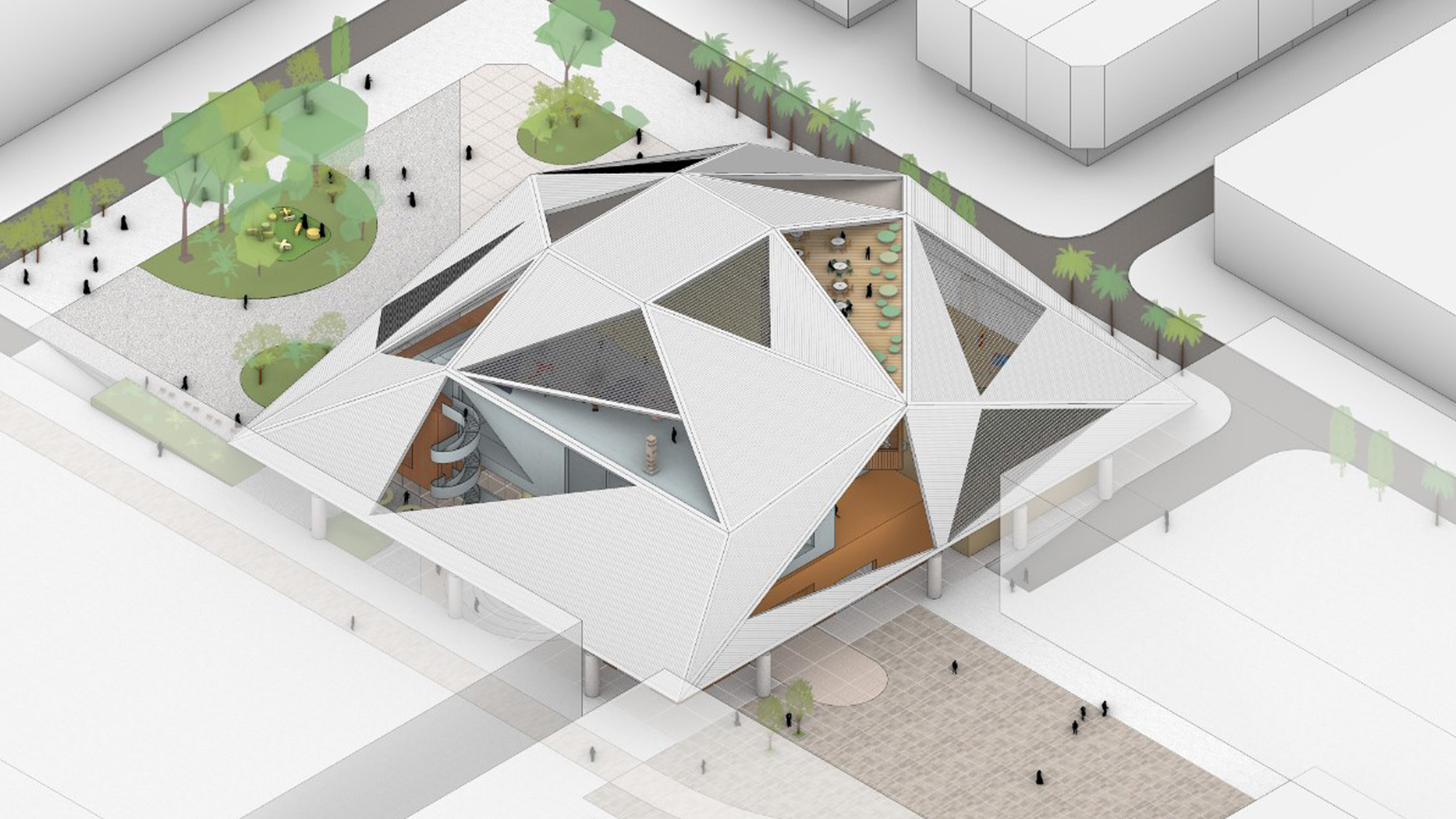
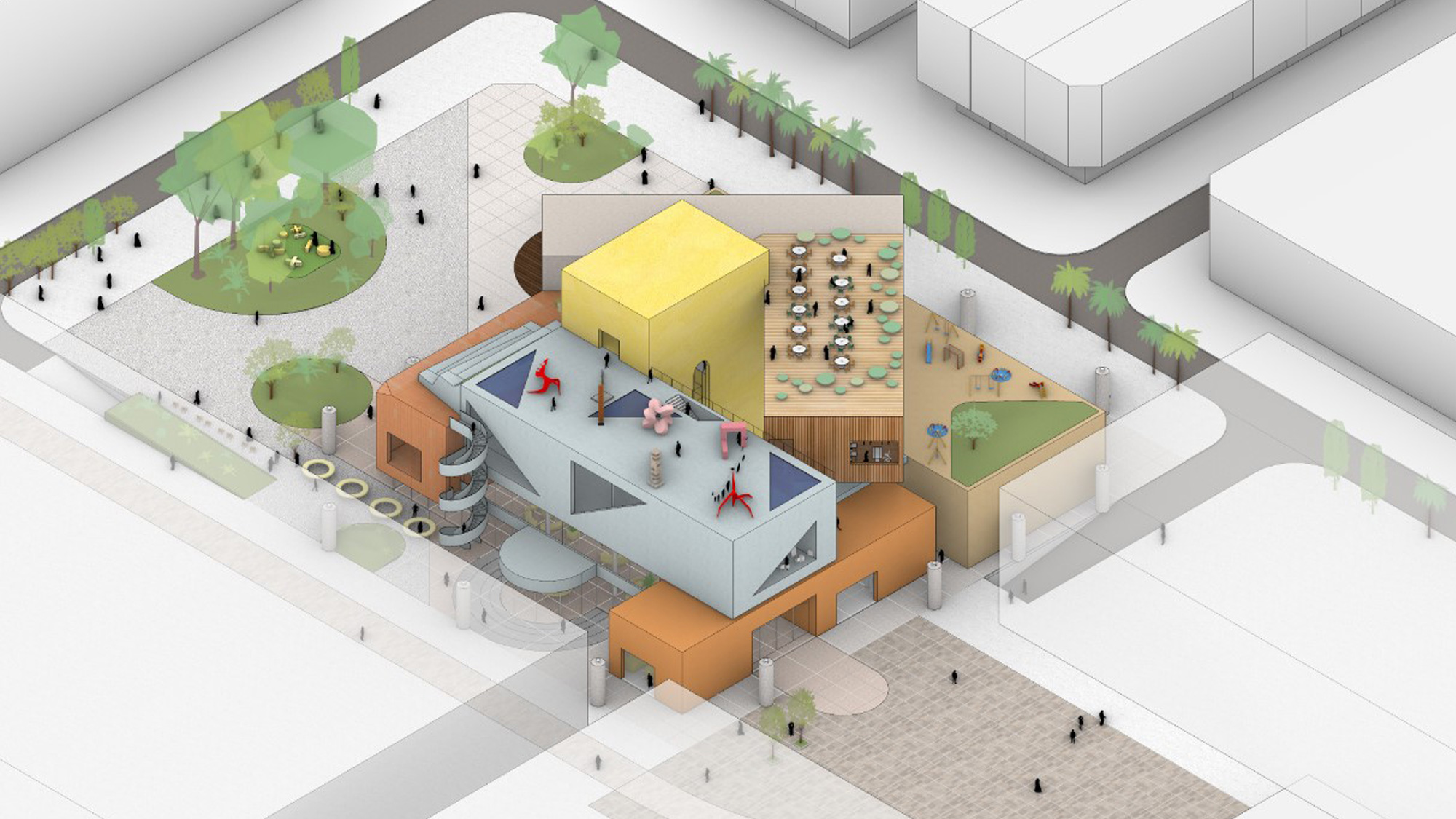
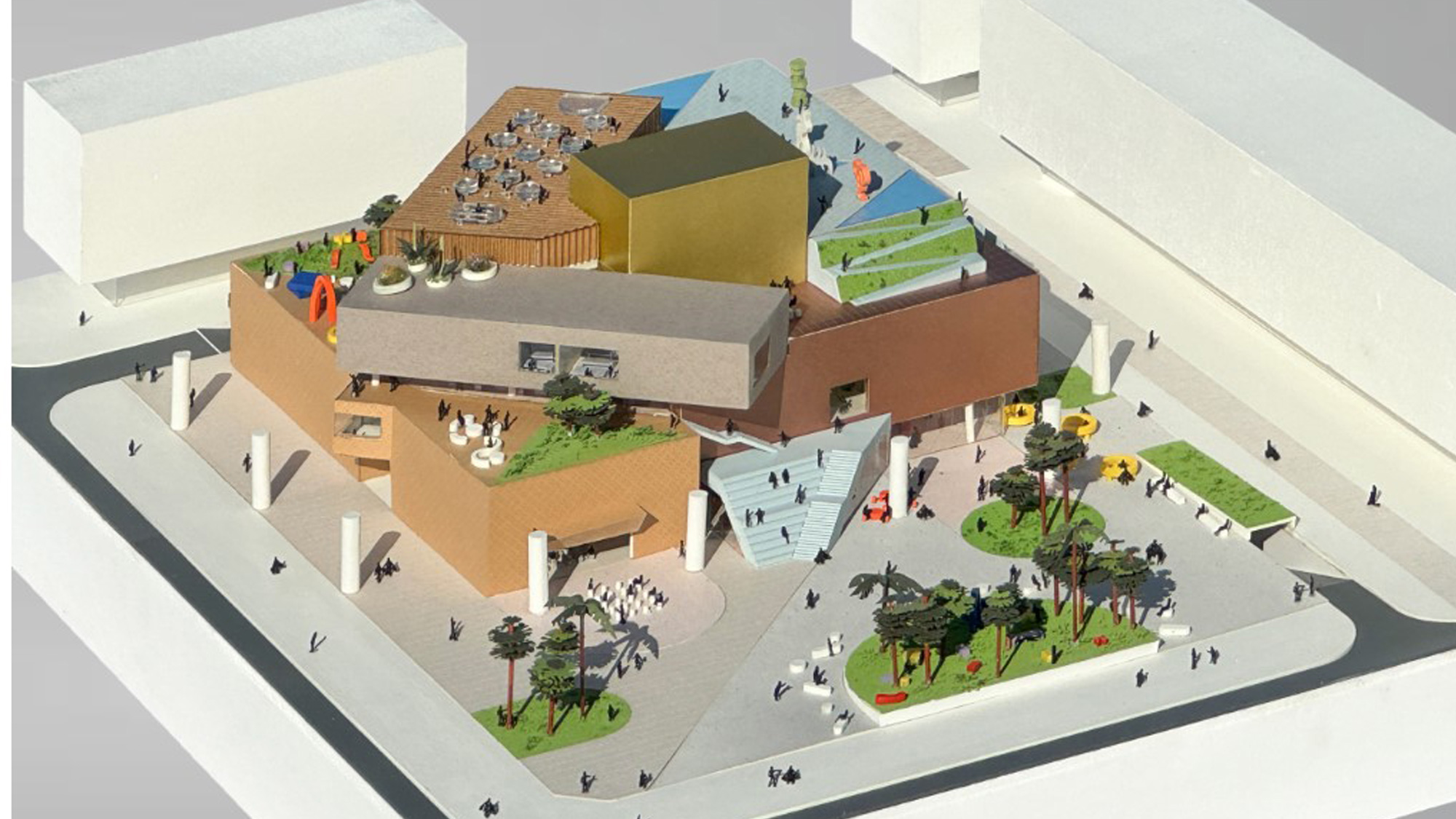
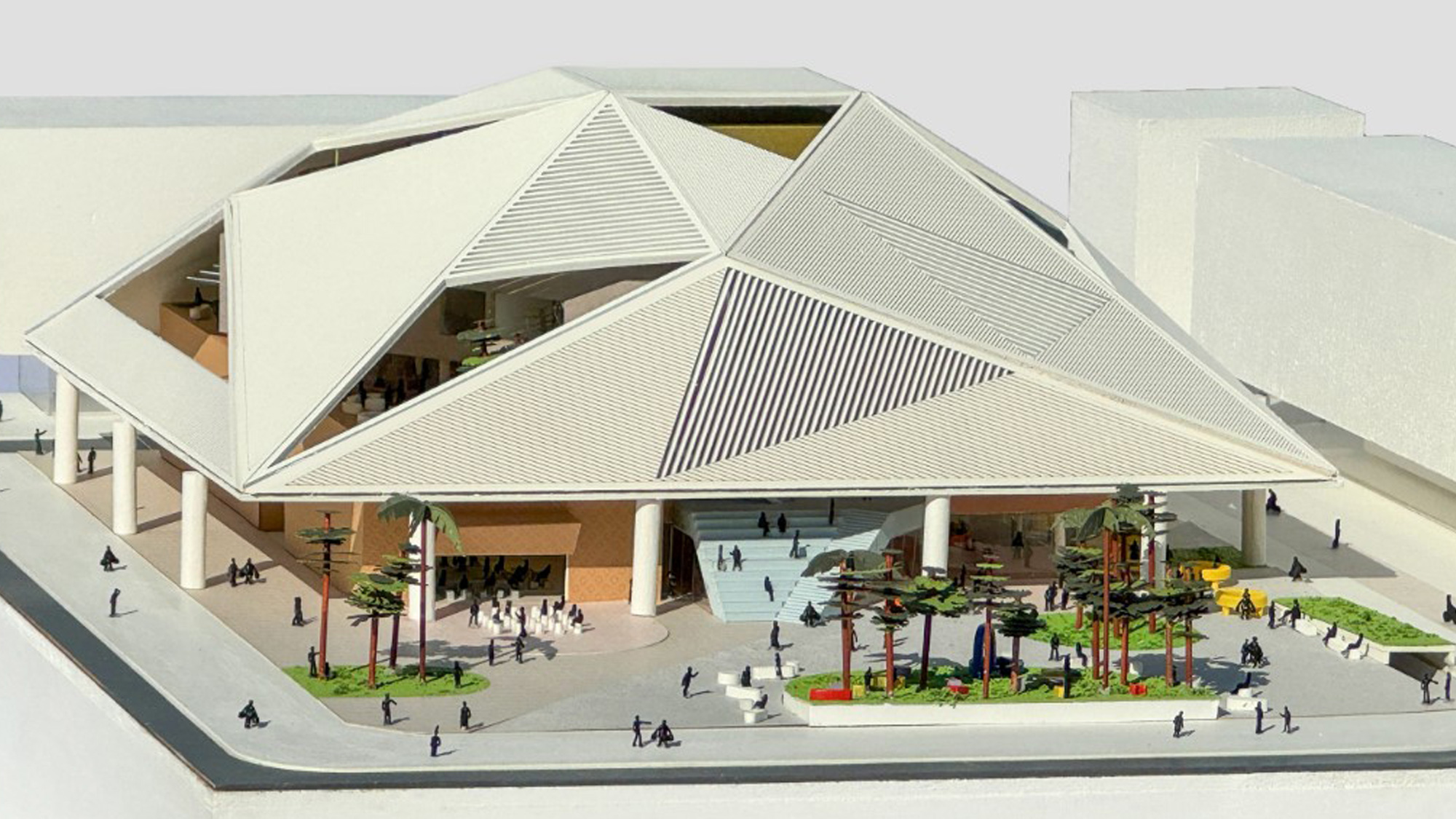
The project combines Both production and presentation in a hybrid building that has aspects of both a community centre, geared towards the new neighbours around it, and a cultural institution, Acting as a beacon for creativity across Oman. Architecturally, the design is organized as a pinwheel of six programmatic containers that spiral up and around a central lobby atrium.
The atrium connects the main public plaza to the west to a new park to the east and from within allows views to the activity within many of the production and presentation spaces. The six “bars” are: Performance (theatre and black box), Production (of large elements, scenery, food), Galleries, Studios (music, film, art, movement), Workshops (fabrication, sewing, tool shop) and Classrooms. Each bar-container is Oriented with views towards specific areas within the new city, emphasizing its connection with the surrounding urban fabric and acting as a visual marker to encourage people to visit.